
Designing a bathroom in 2026 is no longer just about utility; it is about creating a personal sanctuary that balances aesthetics with absolute functionality. Whether you are upgrading a compact guest powder room or a sprawling master suite, the choice of basin sets the tone for the entire space. From the sleek lines of modern vessels to the space-saving magic of wall-hung designs, the options can be overwhelming. At Eureka Sinks, we understand that every Indian household has unique needs, which is why choosing the best bathroom sink types involves looking at your daily habits, the available square footage, and the long-term durability of the materials.
Decoding the Best Sink for Bathroom Spaces
When people ask what the best sink for bathroom use is, there is no one-size-fits-all answer. The “best” choice depends entirely on who is using the room. For a high-traffic family bathroom, an undermount or integrated basin is often the winner because it is incredibly easy to wipe down. However, for a decorative guest bathroom, a stunning tabletop vessel sink might be the better choice to create a “wow” factor. At Eureka Sinks, we suggest prioritizing high-grade ceramic or porcelain for their non-porous surfaces, ensuring your bathroom stays hygienic and sparkling with minimal effort.
Wall Mounted vs Pedestal Bathroom Sink
In many Indian apartments where space is a premium, the debate between a wall mounted vs pedestal bathroom sink is quite common. A pedestal sink is a classic choice, featuring a basin supported by a tall, slender column that hides all the plumbing. It offers a timeless, statuesque look but provides zero storage.
Wall mounted vs pedestal bathroom sink: which is better?
The choice between a wall mounted vs pedestal bathroom sink depends largely on your space and storage requirements. Wall-mounted sinks are ideal for small bathrooms because they “float,” leaving the floor clear and making the room feel larger and easier to mop. Conversely, pedestal sinks offer a traditional, elegant aesthetic that hides bulky pipes behind a ceramic column, making them a sturdy and reliable choice for guest toilets where under-sink storage is not a primary concern.
Vessel Sink vs Undermount Sink
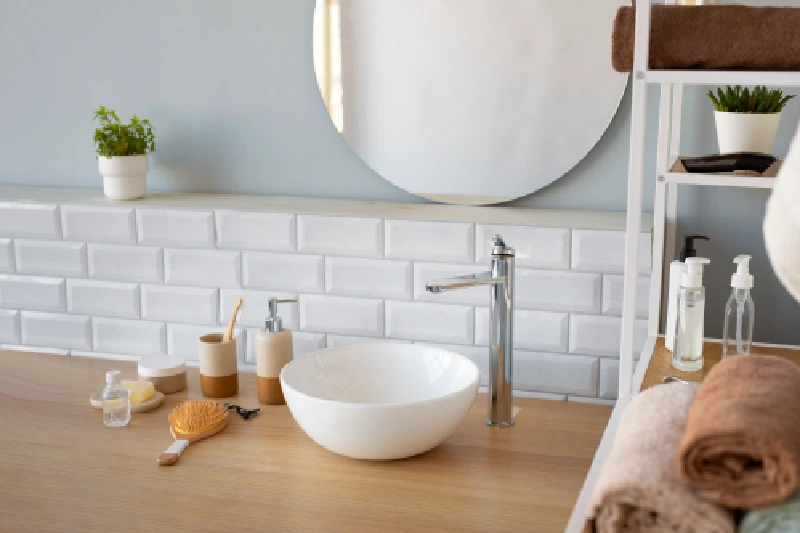
If you are installing a vanity with a countertop, you will likely choose between a vessel sink vs undermount sink. A vessel sink sits on top of the counter like a decorative bowl, making it a major focal point. Because the entire basin is visible, it allows you to play with different shapes and textures. An undermount sink, however, is installed beneath the counter, creating a seamless transition from the stone or quartz surface into the basin.
Vessel sink vs undermount sink: what are the pros and cons?
Comparing a vessel sink vs undermount sink involves weighing style against maintenance. Vessel sinks are highly prized for their artistic, modern appearance and are easier to install as they only require a small hole for the drain. However, undermount sinks are far more practical for daily use because you can wipe water and debris directly from the countertop into the sink without an obstructing rim. This makes undermount models the preferred choice for busy families who prioritize quick cleaning and a minimalist, built-in look.
Single Sink vs Double Sink Bathroom
For master bathrooms, the biggest layout decision is whether to go for a single sink vs double sink bathroom setup. If you share your morning routine with a partner, the “his and hers” double vanity can be a total life-changer, preventing those frantic morning arguments over who gets to brush their teeth first.
Single sink vs double sink bathroom: how to decide?
Deciding between a single sink vs double sink bathroom layout requires a careful look at your vanity size and lifestyle. A double sink setup is perfect for shared master bedrooms as it allows two people to get ready simultaneously, significantly saving time during busy mornings. However, a single sink vanity is often better for smaller rooms because it leaves more usable counter space for toiletries and provides extra cabinet storage underneath since there is only one set of plumbing pipes taking up internal space.
Material Matters: Ceramic vs Porcelain Bathroom Sink
When you go to buy bathroom wash basin units, you will most likely encounter ceramic and porcelain. Both are clay-based and fired in a kiln, but they have distinct differences in how they perform over the years.
Ceramic vs porcelain bathroom sink: which is more durable?
When choosing between a ceramic vs porcelain bathroom sink, porcelain is generally considered the more durable and high-end option. Porcelain is made from a more refined clay and fired at much higher temperatures, resulting in a denser, less porous surface that is highly resistant to stains, scratches, and chipping. While ceramic sinks are budget-friendly and available in various artistic designs, porcelain’s superior hardness and glassy finish make it the better long-term investment for bathrooms that see heavy daily use and frequent cleaning.
A Practical Bathroom Sink Buying Guide
To ensure you make the right choice when you buy bathroom wash basin products, follow this simple bathroom sink buying guide:
- Measure Twice: Check your countertop depth and the distance from the wall. A sink that is too large will make the bathroom feel cramped, while one that is too small can look like an afterthought.
- Faucet Compatibility: Not all sinks fit all faucets. A vessel sink requires a tall, “vessel-style” faucet or a wall-mounted tap, whereas a standard drop-in sink often has pre-drilled holes for a center-set faucet.
- Plumbing Access: If you are choosing a wall-mounted sink, you might need to move your plumbing into the wall, which can increase installation costs.
- Storage Needs: If you have many toiletries, always pair your sink with a vanity. If you have a separate cabinet for storage, a pedestal or console sink can be a beautiful, airy alternative.
Why Choose Eureka Sinks?
At Eureka Sinks, we combine years of craftsmanship with modern technology to bring you fixtures that stand the test of time. Our collection is designed specifically for the unique demands of the Indian household, where water quality and heavy usage are important factors. We use premium glazes that resist the “yellowing” common in older basins and ensure our designs are ergonomic, reducing water splashback on your clothes and floors.
Whether you are looking for a sleek wall-hung basin for a powder room or a grand double-vanity setup for your new home, our range offers the perfect blend of style and substance. Choosing the right sink is about more than just picking a bowl; it is about finding a piece that fits your life perfectly.
Frequently Asked Questions (FAQs)
How do I choose the right size wash basin for a small bathroom?
Choosing the right size involves balancing functionality with the “walkable” floor area of your bathroom. For compact Indian bathrooms or powder rooms, look for basins with a width between 300mm and 400mm. Wall-hung or corner models are the best bathroom sink types for tight spaces because they keep the floor visible, which creates an illusion of a larger room. Always ensure there is at least 18 to 24 inches of clear space in front of the sink to allow for comfortable standing and movement.
What is the best material for bathroom sinks in areas with hard water?
In regions with high mineral content in the water, glazed porcelain and vitreous china are the superior choices. These materials are fired at extremely high temperatures to create a non-porous, glassy surface that prevents calcium and magnesium from bonding deeply with the basin. Unlike natural stone or matte finishes, a smooth porcelain Eureka Sink allows hard water spots to be wiped away easily with a mild vinegar solution, ensuring your bathroom remains free of stubborn white scaling for years.
What is the difference between a table top and a wall hung wash basin?
The main difference lies in the installation method and the resulting storage capabilities. A table top (vessel) basin sits entirely above the counter, acting as a decorative centerpiece and requiring a vanity for support and storage. A wall-hung basin is bolted directly to the wall, leaving the space beneath it completely open. Wall-hung models are excellent for minimalist designs and easy floor cleaning, while table top basins are preferred for luxury master suites where countertop space and aesthetic impact are the priorities.
Are ceramic bathroom sinks better than glass or stone ones?
Ceramic and porcelain are generally considered better for daily use due to their extreme durability and low maintenance requirements. While glass sinks offer a stunning jewel-like appearance and stone basins provide a high-end organic feel, they are both prone to visible water spots and require specialized pH-neutral cleaners to avoid damage. Ceramic is resistant to the chemicals found in toothpaste and hair dyes, making it a more practical, “worry-free” investment for a hardworking family bathroom.
Does a deeper bathroom sink help reduce water splashing?
Yes, a deeper basin, typically ranging from 7 to 10 inches in depth, significantly reduces splashing by containing the water turbulence within the bowl. Shallow sinks, while trendy and sleek, often cause water to bounce off the bottom and onto your clothes or the surrounding countertop. To further minimize mess, ensure your faucet’s water stream hits directly over the drain or slightly behind it. Pairing a deep Eureka Sink with an aerated faucet will provide a soft, splash-free flow perfect for grooming.