
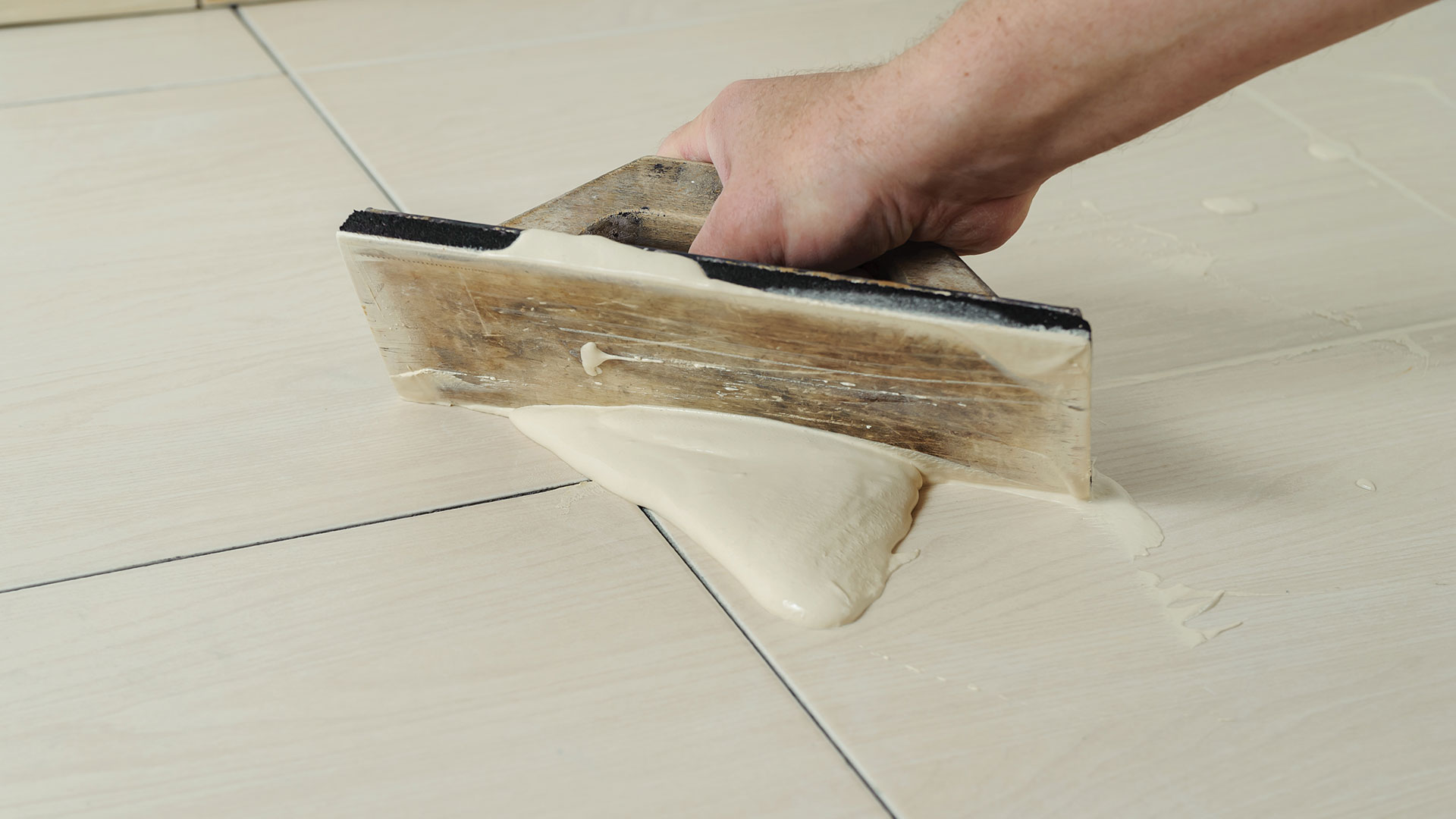
When planning a kitchen remodeling project or updating a bathroom tile layout, picking the right tile installation material makes all the difference in durability and hygiene. Standard cement-based grouts are popular due to low costs, but they absorb moisture, harbor bacteria, and stain easily around sink areas and shower zones.
If you want a permanent solution that withstands heavy moisture, harsh chemicals, and persistent wear, epoxy tile grout is an ideal choice.
What is Epoxy Tile Grout?
Epoxy tile grout is a heavy-duty tiling compound made from a combination of epoxy resins and a filler powder. Unlike traditional cement grout, which relies on water and cement powder to harden, epoxy grout cures through a chemical reaction between the resin and hardener.
This creates a dense, non-porous seal between tiles. Because it does not contain microscopic pores, water cannot penetrate the surface, making it an exceptionally effective waterproof grout for high-moisture spaces like kitchen backsplashes, shower walls, and bathroom floors.
Key Benefits of Epoxy Grout in High-Moisture Areas
Choosing epoxy grout for bathroom tiles and kitchen surfaces offers several distinct advantages over conventional options:
- 100% Waterproof Protection: Water cannot pass through cured epoxy resin. This protects the underlayment, subfloor, and wall backer boards from hidden mold growth, structural rot, and water damage.
- Stain and Chemical Resistance: Kitchen spills like coffee, cooking oils, wine, or citrus juices can permanently stain cement grout. Epoxy tile grout resists chemical reactions and grease, making cleanups simple with basic water and mild soap.
- Zero Sealing Required: Standard cementitious grout requires periodic sealing every six to twelve months to maintain water resistance. Epoxy grout never needs sealing throughout its lifecycle.
- High Structural Strength: Epoxy creates a strong bond between tiles, reducing the risk of cracking, chipping, or eroding over decades of continuous use.
- Color Consistency: Because it is non-porous and resistant to harsh UV exposure and cleaning solutions, the color remains uniform and will not fade or discolor over time.
Recommended Uses: Bathrooms, Kitchens, and Sink Installs
Epoxy grout performs exceptionally well in places exposed to constant water, food waste, or soap scum:
1. Kitchen Countertops and Backsplashes
Around kitchen sinks and food preparation stations, water splashes, dish soap, and food debris constantly test tile joints. Using epoxy grout for kitchen tiles ensures that food particles, oils, and grease do not soak into the seams.
2. Bathroom Showers and Wet Rooms
Showers, steam rooms, and tub surrounds experience high humidity and direct water flow. Standard grout often crumbles or grows black mold in these areas. Epoxy grout forms an impenetrable moisture barrier that keeps shower tiles pristine and hygienic.
3. Undermount Sink Joints and Workstation Hubs
When installing premium kitchen sinks, workstation sinks, or undermount bathroom sinks, the seam where tile meets the sink rim needs ultimate protection. Applying epoxy tile grout around adjacent tiled surfaces prevents water from leaking behind cabinets or under counter edges.
Limitations and Practical Considerations
While epoxy tile grout offers unmatched durability, it does come with specific working conditions to keep in mind:
- Higher Upfront Material Cost: Epoxy resin materials cost significantly more than standard cement grout bags. However, the long-term savings on maintenance and grout repair balance out the initial investment.
- Challenging Application Process: Epoxy sets faster than standard grout. Installers must work quickly in small batches to prevent the material from hardening on the tile surface.
- Tile Haze Risk: If residual epoxy resin is not completely washed off the tile face before it cures, it leaves behind a cloudy film that requires specialized chemical cleaners to remove.
- Not Ideal for All Natural Stones: Soft or highly porous natural stones like unsealed marble or limestone can absorb resin during application, resulting in permanent staining. Always seal porous tiles before applying epoxy grout.
How to Work with Epoxy Grout: Essential Installation Tips
- Work in Small Batches: Mix only the amount of resin and hardener you can apply within 20 to 30 minutes.
- Clean as You Go: Keep fresh water and specialized epoxy sponges nearby. Scrub the tile face continuously during application to clear away excess resin before it sets.
- Maintain Proper Room Temperature: Epoxy cures poorly in cold temperatures. Maintain a room temperature between 60°F and 80°F (15°C to 27°C) during installation for smooth mixing and even curing.
Frequently Asked Questions (FAQ)
1. Is epoxy grout completely waterproof?
Yes. Epoxy grout is made from resin and hardener, forming a non-porous, fully waterproof seal. Unlike cement grout, it completely blocks water from seeping behind tiles into backer boards or subfloors.
2. Can I apply epoxy grout over existing cement grout?
It is not recommended to apply epoxy grout directly over old cement grout. For epoxy grout to bond correctly, you must scrape out at least two-thirds of the existing depth of the grout joint before applying the new epoxy material.
3. How long does epoxy tile grout take to cure?
Most epoxy tile grouts become dry to the touch within 24 hours. However, full chemical curing and complete waterproofing typically take 3 to 7 days depending on humidity and ambient temperature.
4. Why is epoxy grout ideal for kitchen tile areas around sinks?
Kitchen tiles around sink basins and prep spaces face frequent water splashes, cooking fats, and acidic foods. Epoxy grout prevents stains, will not harbor bacteria, and resists breakdown from aggressive household cleaners.
5. Does epoxy grout change color over time?
No. Epoxy grout is color-fast and highly resistant to chemicals, staining, and UV radiation. It maintains its original color without yellowing or fading over years of heavy use.