
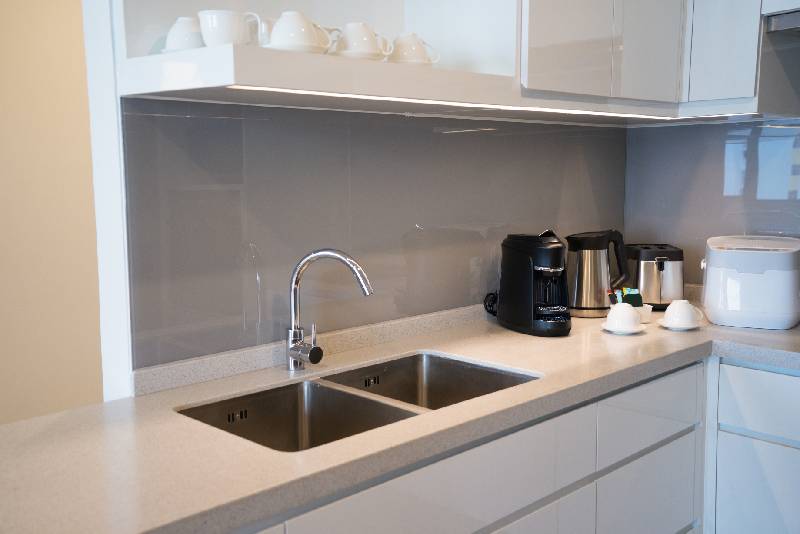
A kitchen sink is the heart of every modern Indian home. From washing fresh produce to clearing away heavy cooking pots after dinner, it handles a demanding daily workload. Modern modular kitchens demand a basin that offers exceptional functional strength while retaining a polished appearance.
Proper care preserves both the hygienic surface and visual appeal of your fixture. Hard water spots, oily food residues, and daily wear can dull even high-grade materials over time. Following an effective maintenance routine protects your sink investment and ensures a safe, sparkling space for food preparation.
Understanding Different Kitchen Sink Materials
Every sink material reacts differently to water, cleaning solvents, and physical impact. Matching your maintenance habits to your sink type ensures long-lasting durability.
                    ┌─────────────────────────────────────────┐
                    │     Identify Your Sink Material         │
                    └────────────────────┬────────────────────┘
                                         │
         ┌───────────────────────────────┼───────────────────────────────┐
         ▼                               ▼                               ▼
┌─────────────────┐             ┌─────────────────┐             ┌─────────────────┐
│ Stainless Steel │             │ Quartz / Granite│             │ Fireclay/Ceramic│
└────────┬────────┘             └────────┬────────┘             └────────┬────────┘
         │                               │                               │
         ▼                               ▼                               ▼
• Wash with grain direction     • Neutral pH cleaners only      • Soft sponges only
• Avoid chlorine bleach         • Apply mineral oil polish      • Avoid dropping heavy iron
• Wipe dry to prevent spots     • Rinse acidic foods fast       • Use mild baking soda paste
1. Stainless Steel Sinks
High-grade stainless steel remains the top choice for Indian modular kitchens due to its heat resistance and hygienic properties. It naturally resists rust and corrosion, but mineral deposits from hard water can cause a dull haze over time.
- Best cleaning agents:Mild liquid dishwashing soap, warm water, and baking soda.
- Avoid: Steel wool, chlorine bleach, and harsh muriatic acid, which degrade the protective chromium oxide layer.
2. Quartz and Granite Composite Sinks
Quartz composite sinks offer rich textures, deep colors, and scratch resistance. However, they are sensitive to extreme temperature shocks and strong alkaline solutions.
- Best cleaning agents:Warm water mixed with mild soap or diluted white vinegar.
- Avoid: Abrasive scouring pads, concentrated drain cleaners, and harsh chemical solvents.
3. Farmhouse and Ceramic Sinks
Fireclay and porcelain ceramic sinks present a smooth, timeless look. Their non-porous glaze resists stains, but physical impacts from heavy iron cookware can chip the surface.
- Best cleaning agents: Soft nylon brushes, baking soda pastes, and non-abrasive cream cleaners.
- Avoid: Dropping heavy utensils directly onto the surface and using sharp scraper tools.
Daily Care Routine for Daily Freshness
Consistency beats heavy scrub sessions. Taking two minutes after washing the dishes prevents grime buildup and water spotting.
Step 1: Clear Food Particles
Remove leftover food scraps from the basket strainer immediately.Trapped debris restricts drainage and generates foul odors inside the waste pipe.
Step 2: Wash with Mild Dish Soap
Apply a few drops of liquid dish soap to a soft microfiber cloth or non-scratch sponge. Scrub the basin walls, corners, and the area around the strainer. For stainless steel, always scrub parallel to the natural metal grain lines to avoid micro-scratches.
Step 3: Thorough Warm Water Rinse
Flush out all soap residue with warm running water. Leaving soapy residue behind causes a film that traps dust and grease.
Step 4: Wipe Completely Dry
Use a dry cotton or microfiber towel to dry the basin completely. Drying eliminates dissolved minerals before they evaporate into stubborn white hard water spots.
Weekly Deep Cleaning and Stain Removal
Weekly deep cleaning breaks down tough grease, restores lost shine, and sanitizes the drainage area.
| Problem | Recommended Solution | Application Method |
| Hard Water Spots & Limescale | White Vinegar (1:1 with water) | Spray onto spots, let sit for 5 to 10 minutes, wipe with a soft sponge, and rinse thoroughly. |
| Oily Turmeric & Tea Stains | Baking Soda & Water Paste | Spread paste on stains, scrub gently with a damp cloth, and rinse with warm water. |
| Dull Metal or Quartz Surface | Food-Grade Mineral Oil | Apply 3 to 4 drops to a clean cloth and buff the dry surface to restore lustre. |
| Drain Smell & Slow Flow | Baking Soda + Boiling Water | Pour half a cup of baking soda followed by boiling water to melt trapped grease. |
Maintaining Specialized Sink Accessories
Workstation sinks and modern undermount models include accessories that require dedicated care.
- Colanders and Strainer Baskets: Food debris builds up in tiny mesh holes. Clean them daily using a small brush and soapy water.
- Wooden Cutting Boards: Never submerge solid wood boards in water or place them in a dishwasher. Wash them by hand, dry them standing upright, and condition them monthly with mineral oil.
- Undermount Sink Seams: The silicone seal between the countertop and an undermount sink can gather moisture. Scrub this rim weekly with an old toothbrush dipped in diluted white vinegar to stop mildew growth.
- Pull-Out Faucet Nozzles: Unscrew the faucet aerator once a month to remove trapped grit and mineral deposits, ensuring clean water flow.
Critical Mistakes to Avoid
Protect your sink setup from preventable damage by avoiding these common practices:
- Leaving Wet Cast Iron Pans in the Basin: Wet iron utensils create galvanic rust stains on stainless steel and leave marks on light ceramic.
- Pouring Hot Cooking Oil Down the Drain: Oil hardens inside cold drainage pipes, creating blockages that harm plumbing fittings.
- Using Metal Scouring Pads: Wire pads slice through stainless steel protective coatings and permanently scratch granite composite finishes.
- Allowing Harsh Cleaners to Sit: Acidic tile cleaners, bleach, and drain chemicals cause discoloration if left on sink surfaces for extended periods.
Frequently Asked Questions
1. How do I remove hard water white stains from my kitchen sink?
Mix equal parts white vinegar and water, then spray it over the hard water spots. Allow the solution to work for 5 to 10 minutes to dissolve mineral bonds. Wipe the area clean with a soft sponge and rinse with plain water.For thick buildup, make a baking soda and vinegar paste, scrub gently, and dry completely.
2. Is it safe to use bleaching agents or strong drain cleaners in my sink?
Avoid harsh chemical drain openers and concentrated bleach. Chlorine bleach pits stainless steel surfaces and dulls the composite finish of quartz sinks. Use natural options like baking soda, hot water, and mild dish liquids instead.
3. How often should I perform a deep clean on my modular kitchen sink?
Perform a thorough deep clean once a week.A weekly schedule prevents grease accumulation, removes minor surface stains before they set, and keeps drainage lines running smoothly.
4. Why does my stainless steel sink show light scratches, and can they be removed?
Minor surface scuffs naturally occur as heavy pots and cutlery rub against the steel during daily use. Over time, these scuffs blend into a uniform patina finish. To minimize new scratches, always wash dishes using soft sponges and scrub parallel to the grain lines of the metal.
5. How can I eliminate bad smells coming from my sink drain?
Foul smells usually come from trapped grease and decomposing food particles inside the trap.Pour half a cup of baking soda into the drain, followed by one cup of warm white vinegar.Let the mixture foam for 15 minutes, then flush the drain with a pot of boiling water.
For long-term reliability and premium style, premium sink fixtures from Eureka Sinks offer durable finishes designed for modern homes. Selecting quality materials paired with regular care ensures your kitchen stays clean and practical for years to come.