
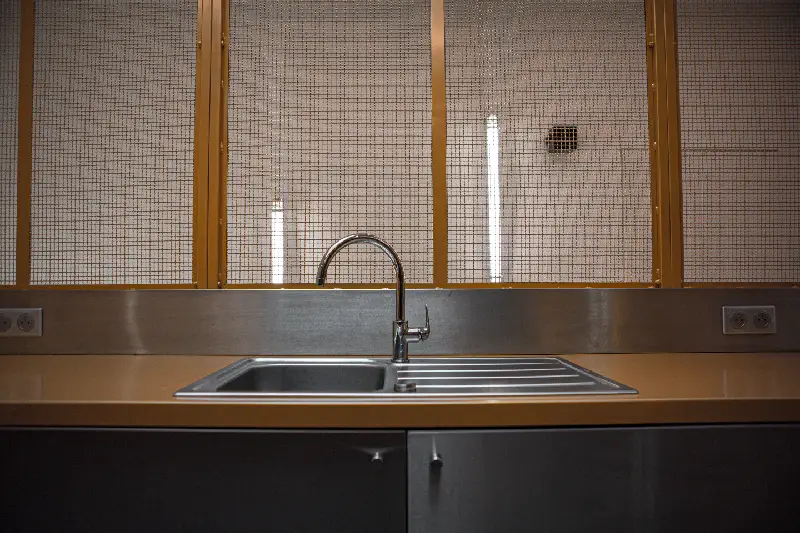
A kitchen sink serves as the busiest workstation in any home. From soaking heavy cast iron utensils to rinsing fresh vegetables for daily meal preparation, it handles continuous activity. Over time, constant exposure to abrasive metal scrubbers, hard water minerals, and acidic food substances can alter its original finish.
At Eureka Sinks, we manufacture high-grade workstation, farmhouse, undermount, and stainless steel sinks designed to withstand demanding culinary environments. With proper maintenance habits and routine cleaning, you can protect your investment and maintain a pristine surface for years to come.
Understanding the Causes of Scratches and Stains
Before addressing prevention strategies, it helps to understand why sink surfaces lose their original lustre. Stainless steel relies on an invisible passive layer of chromium oxide to resist corrosion and staining. When this surface layer encounters harsh chemicals, steel wool, or stagnant mineral-heavy water, its protective barrier suffers temporary damage.
In typical cooking spaces, scratches usually occur when heavy cookware slides directly against the metal floor. Stains, on the other hand, often stem from dried hard water deposits, sitting food acids such as lemon juice or tomato paste, and stagnant spice oils.
Essential Kitchen Sink Cleaning Tips India
Daily care requires a gentle, consistent cleaning routine rather than heavy weekly scrubbing. Following a few simple steps prevents grease build-up and maintains hygiene.
- Rinse Immediately After Use: Always flush away leftover food bits, tea leaves, and curry residue right after washing dishes.
- Wash with Mild Soap: Use a soft microfiber cloth or a non-scratch sponge with a liquid dishwashing detergent.
- Follow the Grain: When wiping down a satin or brushed finish stainless steel sink, always move your cloth in the direction of the metal grain to avoid creating fine micro-scratches.
- Dry the Surface Completely: Water left to evaporate naturally leaves behind chalky white calcium marks. Wiping the basin dry with a soft towel after night dishes eliminates this risk.
What are the best kitchen sink cleaning tips India homeowners should follow daily?
Daily maintenance requires rinsing away food particles immediately, washing the basin with a mild liquid soap and a non-abrasive sponge, and wiping the surface dry with a microfiber cloth. Moving along the natural grain direction prevents surface scuffs. Consistently drying your sink after the last meal prevents hard water minerals from evaporating into stubborn white spots, preserving the surface finish without using harsh chemicals.
Effective Stainless Steel Sink Care Strategies
Maintaining stainless steel requires avoiding tools that compromise the metal. While stainless steel is naturally tough and resilient, improper cleaning methods can cause unnecessary wear.
- Avoid Steel Wool and Wire Brushes: Abrasive steel pads break the surface finish and leave behind tiny iron particles that turn into surface rust spots.
- Skip Harsh Chemical Cleaners: Bleach, undiluted chlorine, and hydrochloric acid floor cleaners erode protective metal layers. Stick to pH-neutral cleaners or gentle dish soap.
- Use Baking Soda for Tough Spots: For stubborn residue, sprinkle a light layer of baking soda over the wet surface and scrub gently with a soft sponge before rinsing thoroughly.
What is the most effective stainless steel sink care method to prevent damage?
The most effective care method involves using pH-neutral liquid detergents and soft microfiber sponges while avoiding wire scrubbers, bleach, and harsh acids that strip the metal’s protective chromium oxide layer. For tough stains, applying a soft paste of baking soda and water provides a gentle abrasive action that lifts grime without scratching the underlying metal finish, ensuring long-term surface protection.
How to Prevent Stains on Stainless Steel Sink Surfaces
Stains on stainless steel sinks rarely mean the metal itself has discoloured. Instead, most stains represent deposits sitting on top of the steel. Hard water, common across many Indian regions, contains dissolved minerals like calcium and magnesium that bond with soap scum to form a dull film.
To combat hard water stains, apply a 1:1 mixture of warm water and white vinegar once a week. Allow the mild solution to break down the mineral deposits for five minutes, scrub gently with a soft sponge, and rinse thoroughly with clean water before drying.
How to prevent stains on stainless steel sink basins caused by hard water and food residue?
To prevent stains, avoid letting acidic foods, salt, or tea leaves sit in the basin for extended periods, and treat hard water build-up weekly with a mild vinegar and water solution. Always finish by rinsing with clean water and drying completely with a cloth. This routine breaks down calcium deposits before they harden and prevents salt or food acids from reacting with the metal surface.
How to Prevent Scratches on Workstation and Farmhouse Sinks
Scratches are inevitable over a sink’s lifespan, but deeper gouges can easily be avoided with protective accessories and proper handling habits.
- Install a Bottom Basin Grid: A stainless steel bottom grid sits slightly elevated on rubber feet, acting as a shield between heavy cookware and the sink floor.
- Use Sink Strainers and Baskets: High-quality strainers catch sharp objects like fallen cutlery before they scratch the drain area.
- Avoid Dragging Heavy Utensils: Lift heavy pressure cookers, milk boilers, and cast iron pans rather than sliding them across the basin floor.
- Opt for Protective Wash Basins: When soaking heavy, burnt pots, place a plastic basin inside the main sink to cushion impacts.
What is the best way to prevent scratches on kitchen sinks during heavy daily use?
The best way to prevent scratches is by placing a custom-fit stainless steel bottom grid inside the basin to cushion the impact of heavy cookware like cookers and pans. Bottom grids keep utensils elevated off the sink floor, allowing water to drain freely while preventing sharp edges or heavy cast iron bottoms from sliding directly against the metal surface during washing.
Kitchen Sink Maintenance Tips for Long-Term Durability
Preventative habits protect your sink, extend its service life, and keep your kitchen looking pristine.
- Never Leave Wet Sponges in the Sink: Rubber dish mats, wet sponges, and steel cleaning pads trap water underneath, causing localized rust spots and water marks.
- Avoid Direct Contact with Bleach: If chlorine bleach touches the sink during kitchen sanitization, rinse it away immediately with abundant cold water.
- Apply a Protective Polish Periodically: Using a specialized stainless steel polish or a few drops of mineral oil once a month restores shine and creates a temporary water-repellent coating.
By selecting high-quality products from Eureka Sinks and following these straightforward maintenance steps, you can keep your kitchen sink shining, hygienic, and scratch-resistant for years.
Frequently Asked Questions (FAQ)
Why does my stainless steel sink show small rust spots even though it is rust-proof?
Small rust spots on a stainless steel sink are usually caused by external iron particles left behind by steel wool pads, metal cans, or iron-rich hard water. These foreign particles oxidize on the surface, creating the illusion that the sink itself is rusting. Cleaning the area with a gentle baking soda paste removes these surface deposits without damaging the sink.
How do I safely remove white hard water marks from my sink?
To remove white mineral deposits, spray a solution of equal parts white vinegar and warm water onto the affected area. Let it sit for 3 to 5 minutes to dissolve the calcium, scrub gently with a soft sponge, and rinse thoroughly with clean water. Always dry the basin with a soft towel afterward to prevent new spots from forming.
Can I use a rubber mat at the bottom of my sink to prevent scratches?
While rubber mats protect against scratches, they can trap water, food particles, and soap residue underneath if left in the sink continuously. This trapped moisture can cause discolouration and surface rust. If you use a rubber mat, remove and wash both the mat and the sink floor daily, or switch to an elevated stainless steel bottom grid instead.
How can I buff out minor hairline scratches on a stainless steel sink?
Minor hairline scratches can be buffed out using a specialized stainless steel cleaner or a fine-grained baking soda paste. Apply the paste onto the scratched area and rub gently using a soft cloth, strictly following the direction of the metal’s brush lines. Never rub in circles or against the grain, as this creates visible swirling marks.
Is it safe to pour boiling water down a stainless steel kitchen sink?
Yes, high-grade stainless steel easily handles boiling water without warping or damaging the metal. However, if you have a PVC drain pipe or a garbage disposal unit attached beneath the sink, run cold tap water simultaneously while pouring boiling liquids to protect the plastic plumbing components from heat distortion.