
Tile grout is a material used to fill the joints between tiles after they have been installed. It helps keep tile joints filled, reduces the entry of dirt and debris, improves the finished appearance, and provides additional protection against moisture when the correct grout is selected and applied properly.
Whether you are renovating a bathroom, designing a kitchen backsplash, or installing floor tiles, choosing the right tile grout is an important part of the process. The type of grout, joint width, tile material, and exposure to water all affect the performance and maintenance of the tiled surface.
In this guide, Eureka Sinks explains what tile grout is, why it matters, the different types available, and how to choose the right option for your home.
What Is Tile Grout?
Tile grout is a joint-filling material applied in the spaces between installed tiles. Depending on its formulation, grout may contain cement, sand, polymers, epoxy resins, pigments, and other additives.
Once applied and cured, grout forms a firm joint between adjacent tiles. It helps keep the joints filled, supports the tile edges, and creates a neat, uniform finish across the surface.
Tile grout is commonly used in bathrooms, kitchens, living rooms, balconies, and other tiled areas. The right product depends on the tile material, joint dimensions, expected moisture exposure, and manufacturer’s recommendations.
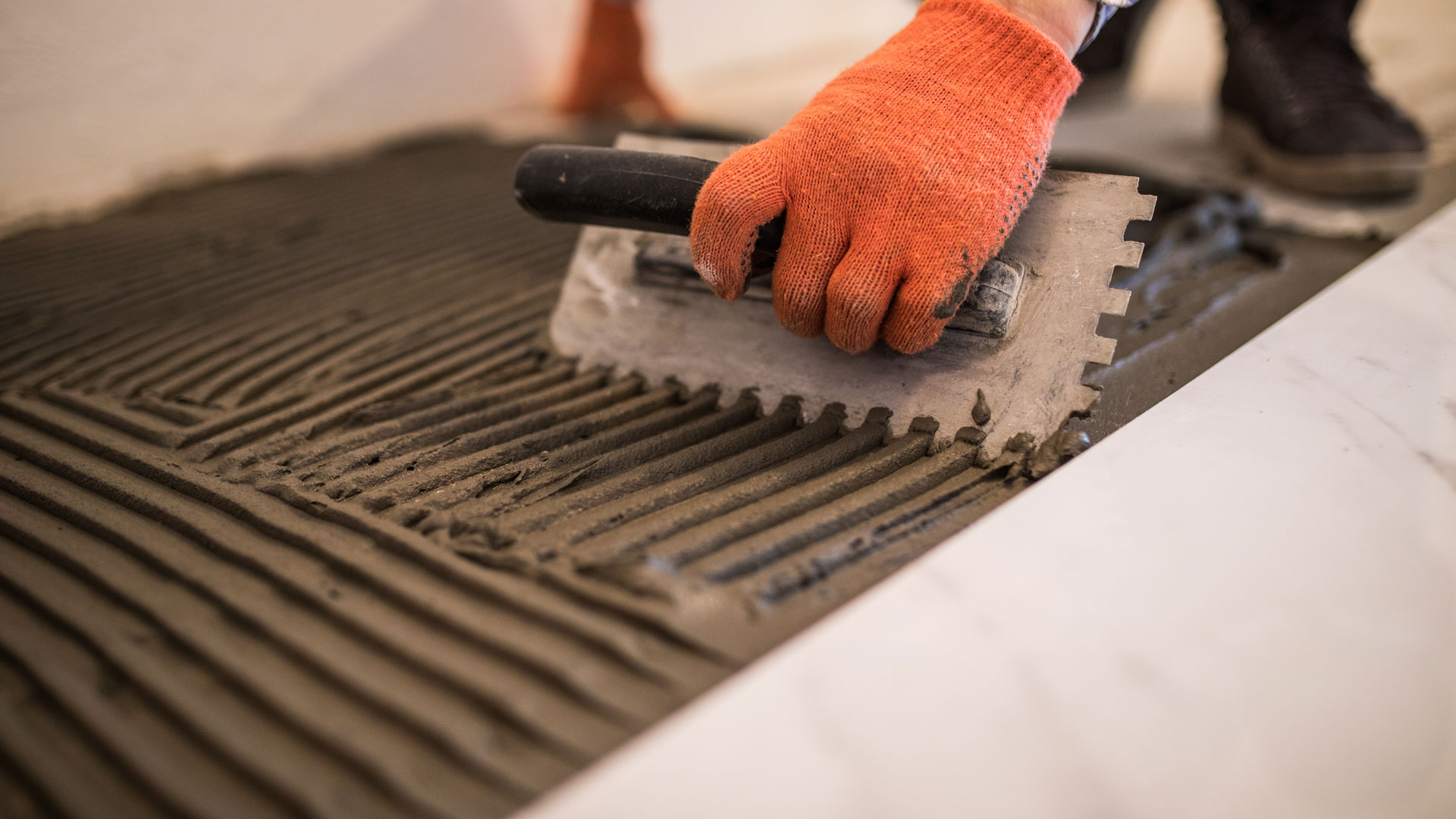
It is important to understand that grout and tile adhesive serve different purposes. Tile adhesive fixes the tiles to the underlying surface, while grout fills the gaps between them.
Why Is Tile Grout Important?
Tile grout does more than improve the appearance of tiled floors and walls. It also helps protect the joints from everyday use.
1. Helps Reduce Moisture Penetration
Grout helps limit the movement of water and moisture through tile joints when the appropriate product is installed correctly. This is particularly important in bathrooms, shower areas, utility rooms, and kitchen backsplashes.
However, standard cement-based grout is not completely waterproof. Wet areas may also require a suitable waterproofing membrane and correctly installed flexible sealants.
2. Creates a Clean and Finished Appearance
Grout fills the visible spaces between tiles, giving floors and walls a more complete appearance. Choosing a suitable grout colour can complement the tiles, highlight their pattern, or create a contrasting design.
3. Helps Keep Dirt Out of Tile Joints
Unfilled or poorly maintained joints can collect dust, food particles, soap residue, and other debris. Properly filled grout joints make routine cleaning easier.
4. Supports Tile Edges
Grout fills the joints and provides support to adjacent tile edges. Although it contributes to the finished tiled surface, it does not replace the tile adhesive responsible for bonding tiles to the substrate.
5. Helps Maintain Tiled Surfaces
Selecting the right grout for the application can reduce common joint problems, such as premature deterioration, staining, and cracking caused by unsuitable materials or poor installation.
What Are the Different Types of Tile Grout?
Tile grout is available in several formulations. Each type has different performance characteristics, application requirements, and maintenance needs.
1. Cement-Based Tile Grout
Cement-based grout is a common choice for residential tile installations. It is generally made from cement, fillers, pigments, and other additives.
Depending on the product, it may be suitable for ceramic tiles, porcelain tiles, and selected natural stones.
Benefits:
- Available in different colours.
- Suitable for many everyday tiling applications.
- Generally economical.
- Available in formulations designed for different joint widths.
Best suited for: General wall and floor tiling, subject to the product specifications.
Some cement-based grouts benefit from a compatible grout sealer, while others contain additives that influence their maintenance requirements. Always follow the manufacturer’s instructions.
2. Epoxy Tile Grout
Epoxy grout typically contains epoxy resin, a hardener, and filler materials. It is known for its resistance to stains, chemicals, and moisture when correctly installed.
It is commonly considered for demanding applications, including commercial kitchens, swimming pools, and areas where frequent cleaning is necessary.
Benefits:
- High resistance to many common stains.
- Good chemical resistance, depending on the formulation.
- Low water absorption.
- Suitable for specific demanding environments.
Best suited for: Areas requiring enhanced stain resistance, hygiene, or chemical resistance.
Epoxy grout can be more expensive and requires careful application. Check compatibility with the tile surface before use.
3. Polymer-Modified Cement Grout
Polymer-modified cement grout combines a cement-based formulation with polymers that improve selected performance properties.
Depending on the product, these additives may improve adhesion, workability, flexibility, and resistance to cracking or staining.
Benefits:
- Improved application characteristics in suitable formulations.
- Available for different tile types and joint widths.
- Options for indoor and outdoor applications.
Best suited for: Tile installations where the specified performance properties meet the project requirements.
The term polymer-modified does not automatically mean that a grout is fully waterproof. Check the technical data sheet for the product’s actual capabilities.
For a more detailed comparison of its advantages, applications, and limitations, read our guide to epoxy grout for bathrooms and kitchens.
4. Ready-to-Use Grout
Ready-to-use grout is supplied in a prepared form, reducing or eliminating the need for on-site mixing.
Its composition and performance vary by manufacturer. Some products are intended for specific interior applications, while others have broader uses.
Benefits:
- Convenient preparation.
- Consistent application when used as directed.
- Suitable for selected repair and renovation projects.
Best suited for: Projects where convenience is important and the product is compatible with the tile and installation conditions.
Always check whether a ready-to-use grout is suitable for wet areas, floors, or the particular tile material.
How to Choose the Right Tile Grout
Choosing grout requires more than matching a colour to your tiles. Consider the following factors before purchasing.
1. Consider Where the Tiles Are Installed
Different areas experience different levels of moisture, cleaning, and foot traffic.
- Bathrooms and showers: Select a grout suitable for wet areas and follow the complete waterproofing system requirements.
- Kitchen backsplashes: Consider resistance to food stains, grease, and regular cleaning.
- Living room floors: Choose a grout appropriate for the tile type, joint width, and expected traffic.
- Outdoor areas: Check suitability for weather exposure, temperature changes, and the specific substrate.
2. Check the Tile Material
Ceramic, porcelain, marble, and other natural stones may require different grout formulations.
Light-coloured or porous natural stones can be susceptible to staining from grout pigments or residue. Test the product on an inconspicuous area when necessary, and follow the tile manufacturer’s recommendations.
3. Match the Grout to the Joint Width
The recommended joint width varies by product. Some grouts are designed for narrow joints, while others can accommodate wider gaps.
Do not choose a grout solely based on appearance. Check the manufacturer’s stated minimum and maximum joint widths before application.
4. Choose the Right Grout Colour
Grout colour influences the overall appearance of a tiled surface.
- Matching colours: Create a continuous, uniform look.
- Contrasting colours: Highlight tile shapes and patterns.
- Neutral colours: Can work well with a wide range of tile finishes.
Consider the tile colour, room lighting, cleaning requirements, and the possibility of visible staining before making your final choice.
5. Consider Maintenance Requirements
Different grout types have different cleaning and maintenance needs. Cement-based grout may require periodic sealing if recommended by the manufacturer. Epoxy grout generally offers better stain resistance but needs careful installation and cleaning.
Review the maintenance instructions before selecting a product for a frequently used area.
How to Apply Tile Grout Correctly
Correct application is essential for durable, attractive tile joints. Follow the product instructions rather than relying on a single method for every grout type.
Step 1: Prepare the Tile Joints
Allow the tile adhesive to cure for the period specified by its manufacturer. Remove excess adhesive and debris from the joints without damaging the tile edges.
Step 2: Check the Surface and Grout Compatibility
Make sure the tile installation is ready for grouting. Confirm that the grout is suitable for the tile material, joint width, and intended application.
Step 3: Prepare the Grout
For powder-based grout, measure and mix the specified quantity of water according to the manufacturer’s instructions. Avoid adding excess water, as this can affect the finished colour and performance.
Ready-to-use and epoxy products may have different preparation requirements.
Step 4: Fill the Joints
Apply the grout with a suitable grout float or the tool recommended for the product. Work the material into the joints to fill them consistently.
Remove excess material from the tile surface as directed by the manufacturer.
Step 5: Clean the Tiles
Clean the surface at the recommended stage using the correct method and tools. Cleaning too early or too late can affect the finish, so follow the product instructions carefully.
Step 6: Allow the Grout to Cure
Protect the newly grouted area from premature water exposure, heavy use, and contamination during curing. Follow the stated curing time before cleaning, sealing, or using the tiled area.
Proper installation of tiles and kitchen fixtures helps reduce avoidable maintenance problems. For more installation advice, read our guide to kitchen sink installation mistakes to avoid.
Common Tile Grouting Mistakes to Avoid
Avoiding a few common mistakes can help prevent unnecessary repairs.
- Adding too much water: Excess water can affect grout strength, consistency, and colour.
- Grouting before the adhesive has cured: This can interfere with the installation and affect the joints.
- Ignoring joint width requirements: The wrong grout may not perform as intended.
- Using grout as a replacement for waterproofing: Grout alone does not make a shower or bathroom waterproof.
- Choosing an unsuitable grout for natural stone: Some materials may stain or scratch sensitive surfaces.
- Cleaning incorrectly: Improper cleaning can leave residue or damage the finished joints.
- Ignoring movement joints: Flexible sealants, rather than rigid grout, are generally required at specified movement joints and changes of plane.
Following the manufacturer’s technical instructions and using an experienced installer when needed can help prevent these issues.
How to Maintain Tile Grout
Regular maintenance helps keep grout joints clean and in good condition.
- Clean tiled surfaces with a suitable, non-abrasive cleaner.
- Remove soap residue and food spills before they build up.
- Avoid harsh chemicals unless the grout manufacturer confirms they are suitable.
- Inspect joints periodically for cracks, missing material, or signs of deterioration.
- Repair damaged joints promptly and investigate recurring moisture problems.
- Apply a compatible grout sealer only when recommended for the product.
If grout repeatedly cracks or becomes damaged, the cause may involve substrate movement, incorrect installation, unsuitable materials, or missing movement joints. Addressing the underlying issue is important before replacing the grout.
Tile Grout for Bathrooms and Kitchens
Bathrooms and kitchens are among the most common places where tile grout is used, but each area has different requirements.
In bathrooms, grout should be suitable for the expected moisture exposure and the tile installation. Shower areas also require appropriate waterproofing behind or beneath the tiles, along with correctly sealed corners and penetrations.
In kitchens, grout must withstand regular cleaning and exposure to common food spills. Stain resistance may be especially important around cooking and preparation areas.
For both spaces, the right combination of tile, adhesive, grout, waterproofing, and flexible sealant contributes to a better-performing installation.
If you are planning a kitchen or bathroom upgrade, explore the Eureka Sinks tile grout range to review the available product information and determine whether an option meets your project requirements.
Conclusion
Tile grout is an essential part of a tiled floor or wall. It fills the spaces between tiles, improves the finished appearance, helps limit moisture penetration, and supports the edges of adjacent tiles.
Cement-based, epoxy, polymer-modified, and ready-to-use grouts offer different advantages. The right choice depends on the tile material, joint width, installation location, expected exposure, and maintenance requirements.
For a reliable result, choose a compatible product, prepare the joints properly, follow the manufacturer’s application instructions, and maintain the finished surface regularly.
Explore Eureka Sinks tile grout to learn more about the available option for your tiling project.
Frequently Asked Questions About Tile Grout
What is tile grout used for?
Tile grout is used to fill the gaps between installed tiles. It improves the appearance of tile joints, helps keep out dirt and debris, and can limit moisture penetration when the correct product is installed properly.
Is tile grout waterproof?
Not all tile grout is waterproof. Cement-based grout is generally water-resistant to varying degrees, while epoxy grout typically offers lower water absorption. Bathrooms and showers may still require a separate waterproofing membrane and appropriate flexible sealants.
Which type of tile grout is best for bathrooms?
The best grout depends on the tile material, joint width, moisture exposure, and product specifications. Cement-based grout may suit many standard installations, while epoxy grout can be useful where enhanced stain and moisture resistance is required. Proper waterproofing remains essential.
What is the difference between tile adhesive and tile grout?
Tile adhesive bonds tiles to the underlying surface. Tile grout fills the joints between tiles after they have been installed. Both materials serve different purposes and should be selected according to the installation requirements.
How do you clean and maintain tile grout?
Clean grout regularly with a compatible, non-abrasive cleaner. Remove spills and soap residue promptly, inspect the joints for cracks, and follow the manufacturer’s guidance on sealing and maintenance. Repair damaged grout and investigate the cause of recurring deterioration.