











 English
 Italy
Italy
 Franch
 Spanish
 Chinese
 Arabic
Tile Grout
Tile grout is a material used to fill the spaces between tiles, helping to create a seamless and attractive surface. Grout is typically made from a mixture of cement, sand, and water, although there are also specialized grout products available that incorporate other materials, such as epoxy or latex.

Bonding
Together
We Provide Full & Specific Solutions For Our Every Customers
One of the primary functions of tile grout is to provide a stable and durable base for tiles to adhere to. By filling the gaps between tiles, grout helps to prevent them from shifting or coming loose over time.
Tile Grout for Wall and Floor Tiles: Cement and Epoxy Grout
Tile grout is the filler that goes into the joints between tiles after they are fixed. It seals the gaps, keeps water and dirt out, and sets the final look of the tiled surface. Eureka Sinks makes tile grout in two types, a water resistant cement grout in nine colours and a stain-free epoxy grout for wet and demanding areas.
Cement grout suits most home walls and floors and comes in a wide colour range. Epoxy grout is non-porous and chemical resistant, made for bathrooms, kitchens, swimming pools and commercial floors where the joints must stay clean and stain free.
See the comparison below to pick the right type, or download the Eureka catalogue for full technical details.
What Tile Grout Is and Why It Matters
When tiles are fixed, small gaps are left between them. Tile grout fills those gaps. It is not just for looks; a good grout does real work.
- Seals the joints: Grout stops water, dirt and dust getting under the tiles, which protects the adhesive and the surface below.
- Holds tiles in place: Filled joints lock the tiles together, so they do not shift or chip at the edges.
- Sets the look: Grout colour changes how the whole floor or wall reads. A matching colour hides the joints, and a contrast colour makes each tile stand out.
- Keeps the surface hygienic: In bathrooms and kitchens, a water resistant grout stops mould and stains building up in the lines.
The wrong grout, or plain white cement in the joints, stains and discolours within months in a wet area. Choosing the right grout type and colour is a small part of the job that makes a big difference to how the tiling looks and lasts.
The Eureka Tile Grout Range
Eureka makes two grout products, one cement based and one epoxy based, so you can match the grout to the area and the budget.
| Product | Type | Best for | Water and stain resistance | Colours |
|---|---|---|---|---|
| Eureka Tile Grout | Polymer modified cement grout | Glaze wall tiles, mosaics, vitrified and floor tiles, industrial floors | Water resistant | Nine colours |
| Epoxy EXD 500 | Three-part epoxy resin grout | Wet areas, kitchens, hospitals, food areas, pools, industrial floors | Stain free, chemical and water resistant | Ask for shades |
Eureka Tile Grout: Water Resistant Cement Grout
Eureka Tile Grout is a fine, polymer modified, water resistant, cement based powder grout for grouting glaze wall tiles, mosaics, vitrified and fully vitrified tiles, floor tiles and industrial floor tiles. It comes in nine colours and suits most home and general walls and floors. For areas that must be hygienic, sterile or chemical resistant, use the epoxy grout instead.
Epoxy EXD 500: Stain-Free Epoxy Grout
Epoxy EXD 500 is a hygienic, hard-wearing, impervious, epoxy resin grout with a high resistance to chemical attack, abrasion and impact. The cured grout does not taint food and does not let in bacteria or dirt, so it stays sterile. It is a three-part product (filler, resin and hardener) for joint widths of 2 to 20 mm, and comes in 1 kg and 5 kg kits. Use it in bathrooms, kitchens, hospitals, food areas, swimming pools and commercial floors.
Cement Grout vs Epoxy Grout: Which to Choose
Both grouts do the same basic job of filling joints, but they behave very differently in wet and heavy-use areas. Cement grout is the everyday, budget choice. Epoxy grout is the premium, stain-free choice for demanding areas. The table sets out the difference.
| Point | Cement grout | Epoxy grout |
|---|---|---|
| Made from | Cement, fillers and polymer | Epoxy resin, hardener and filler |
| Water resistance | Water resistant | Fully waterproof, non-porous |
| Stain resistance | Can stain over time in wet areas | Stain free, resists most stains |
| Chemical resistance | Limited | High, suits food and chemical areas |
| Colour over time | Can discolour in wet areas | Holds colour for years |
| Maintenance | Needs cleaning and care | Low maintenance, no sealing |
| Application | Easy, more open time | Sets fast, best done by a skilled hand |
| Cost | Lower | Higher, but lasts longer |
| Best for | Dry rooms, general walls and floors | Bathrooms, kitchens, pools, hospitals, food areas |
For living rooms, bedrooms and general dry areas, cement grout is the practical choice. For bathrooms, kitchens, balconies, pools and any place that must stay hygienic and stain free, epoxy grout is worth the extra cost.
Tile Grout Colours
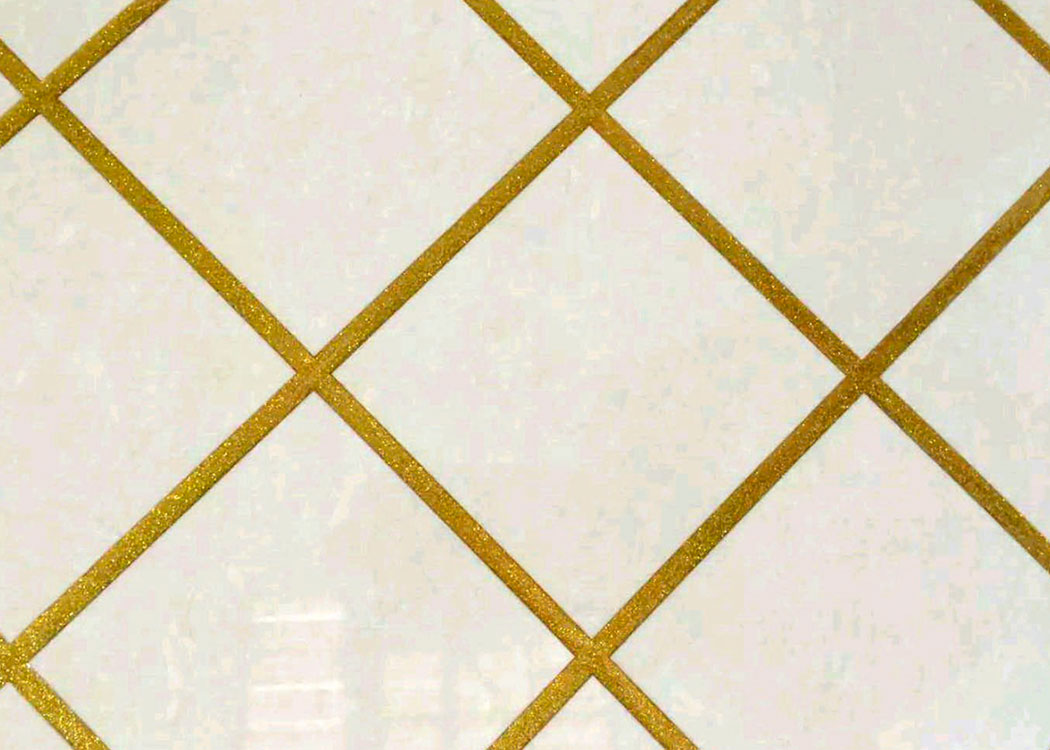
Eureka cement tile grout comes in nine colours, so you can match the grout to the tile or set a contrast. A matching grout hides the joints for a seamless look, while a contrast grout makes each tile stand out.
| Colour | Common use |
|---|---|
| White | Light tiles, a clean seamless look |
| Ivory | Cream and beige tiles |
| Beige | Warm stone and wood-tone tiles |
| Pink | Soft, light-themed walls |
| Grey | Grey, white and dark tiles, a modern look |
| Black | Dark tiles, bold contrast joints |
| Magenta | Bright, statement walls |
| Jaisalmer | Yellow sandstone and warm tiles |
| Terracotta | Earthy and clay-tone tiles |
Grout colour can change the whole look of a tiled surface, so pick it with the tile in front of you. Light grout looks clean but shows dirt sooner in busy areas, where a mid grey or a matching shade stays neat longer. For epoxy grout shades, ask the Eureka team.
Which Grout for Which Area
The main choice is cement grout or epoxy grout, and it comes down to how wet and how heavily used the area is. Match your area to the row below.
| Area | Suggested grout |
|---|---|
| Living room, bedroom, dry floors | Cement Tile Grout |
| General interior walls | Cement Tile Grout |
| Bathroom and shower | Epoxy EXD 500 |
| Kitchen counter and backsplash | Epoxy EXD 500 |
| Balcony, terrace and outdoor walls | Epoxy EXD 500 |
| Swimming pool | Epoxy EXD 500 |
| Hospitals, labs and food areas | Epoxy EXD 500 |
| Commercial and industrial floors | Epoxy EXD 500 |
Light-coloured grout in a wet or busy area is where epoxy earns its cost, since it holds its colour and does not stain. If the budget is tight and the area is dry, cement grout in a mid shade is a sound choice. When in doubt, ask the Eureka team about your specific job.
How to Apply Tile Grout
Grouting is done after the tile adhesive has cured. The steps are simple, but epoxy grout sets fast, so work in small sections.
- Wait for the tile adhesive to cure fully before grouting, so the tiles do not shift.
- Clean the joints of dust, adhesive and loose bits, so the grout bonds well.
- Mix the grout as directed. Mix cement grout with clean water to a smooth paste. For epoxy, mix the filler, resin and hardener in the right ratio and use it within the pot life.
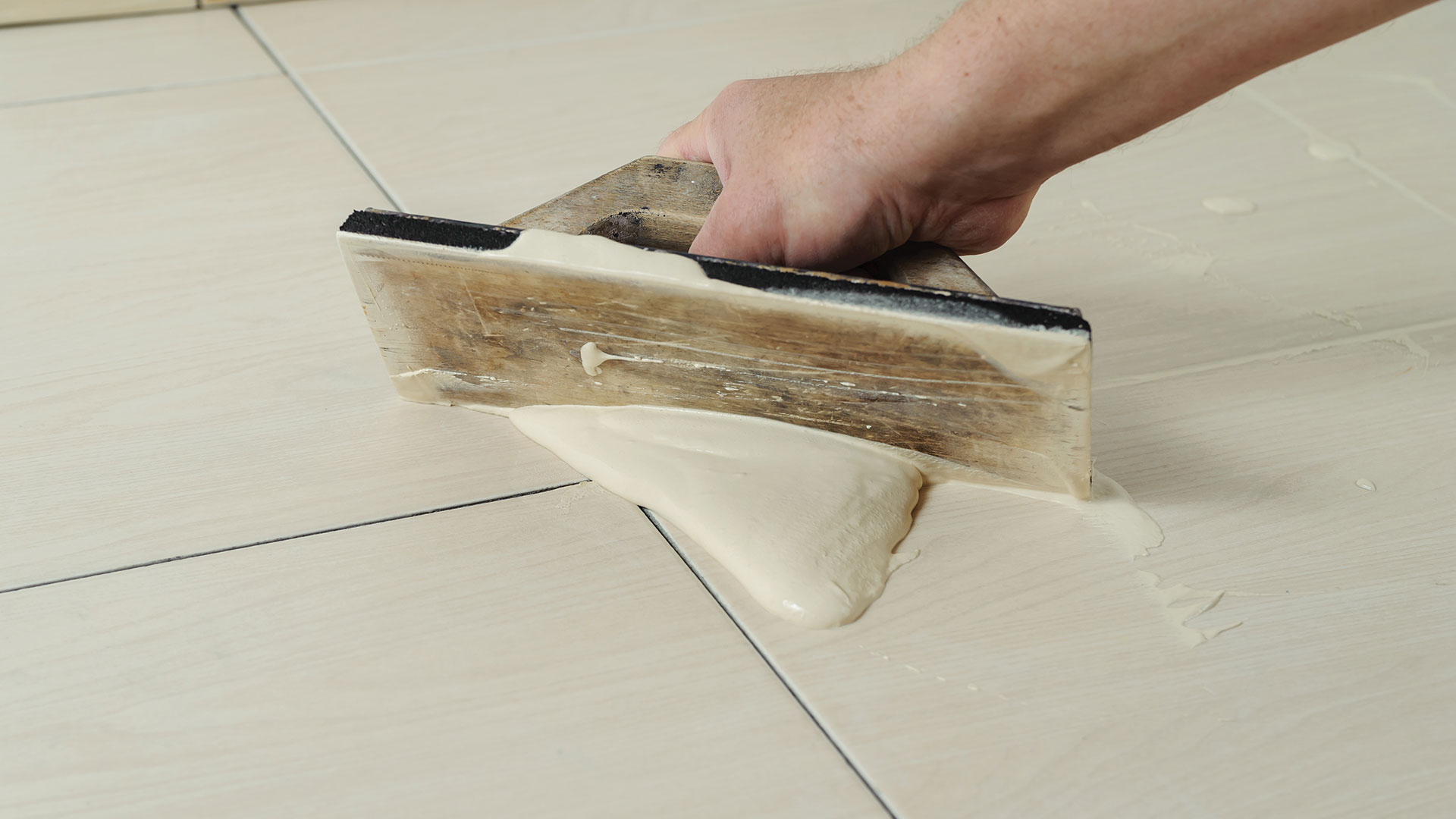
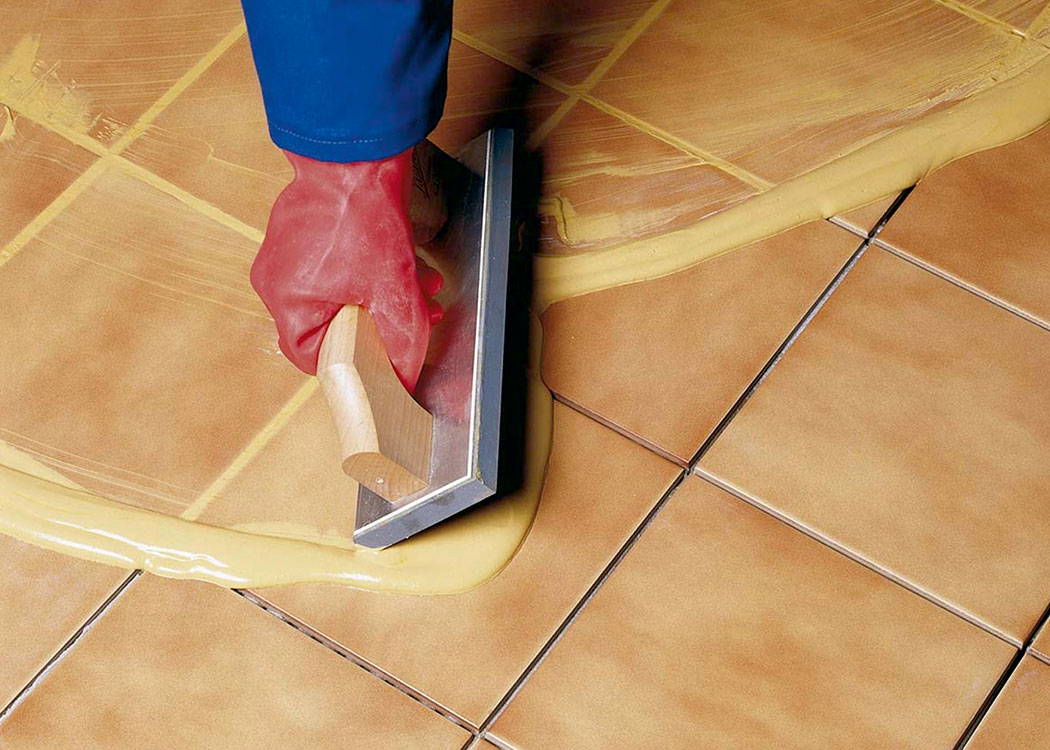
- Press the grout into the joints with a rubber float, working diagonally across the tiles so the joints fill fully with no air gaps.
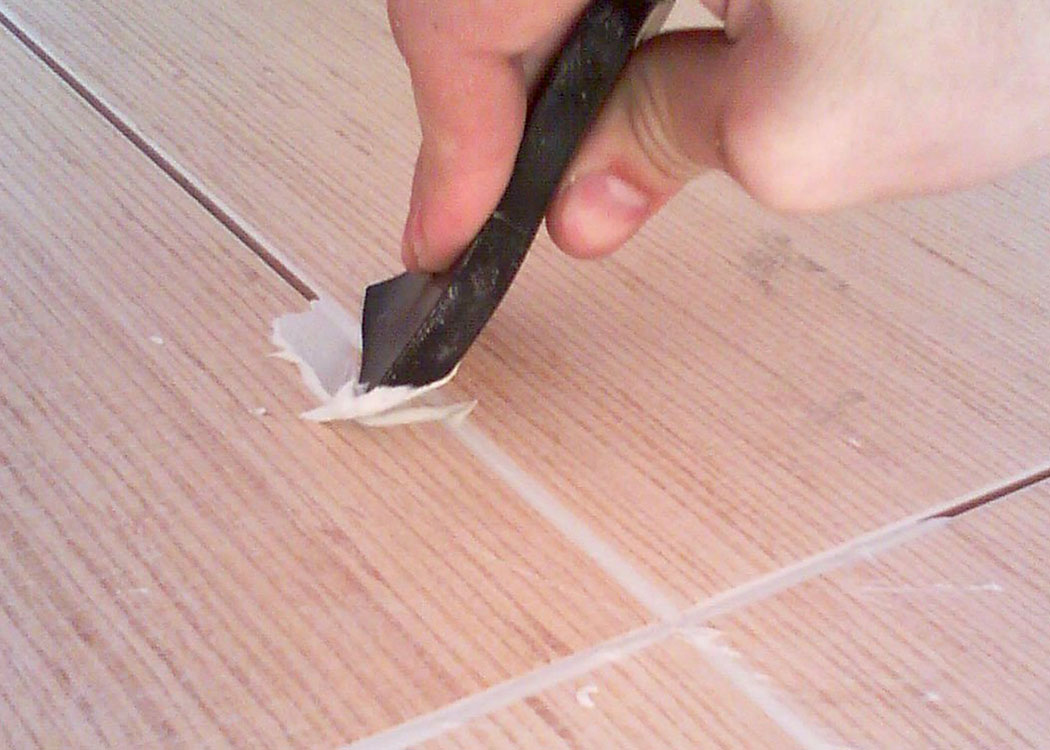
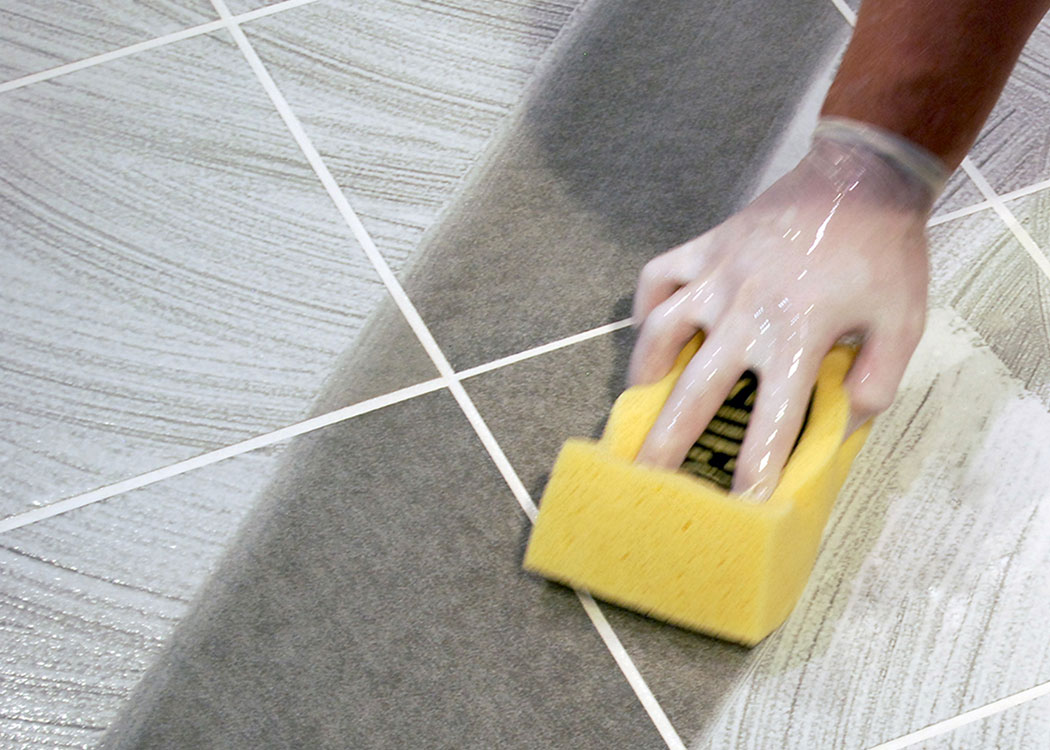
- Wipe off the excess from the tile face with a damp sponge before it sets. For epoxy grout, clean the tiles well, as cured epoxy is hard to remove.
- Let the grout cure before you use the area or let water reach it. Follow the cure time on the pack.
Epoxy grout needs a quicker, more careful hand than cement grout. For a large or a commercial epoxy job, a skilled tiler is worth it.
Shelf Life, Storage and Grout Cleaner
Eureka cement Tile Grout has a shelf life of 24 months from the date of manufacturing in an unopened pack. Store it in a cool, dry place off the floor, away from damp, so the powder does not harden. Check the date on the pack before use.
For cleaning old or dirty grout lines, Eureka also makes a Tile Grout Cleaner, a fast-acting wall and floor tile cleaner. It works indoors and outdoors, on walls and floors, in dry and wet areas, showers and swimming pools. See the epoxy and waterproofing page for the grout cleaner and related products.
Why Buy Tile Grout from Eureka Sinks
Eureka Sinks is a manufacturer, so you buy tile grout straight from the maker in Morbi, Gujarat.
- Both grout types: A water resistant cement grout in nine colours and a stain-free epoxy grout, so one supplier covers dry rooms and wet areas alike.
- Wide colour range: Nine cement grout colours to match or contrast with your tiles.
- Full tiling system: Along with grout, we make tile adhesive, epoxy and waterproofing and a grout cleaner, so the whole tiling job comes from one place.
- Sinks and bathware too: We also make stainless steel kitchen sinks, quartz sinks and bathroom sinks. See the full Eureka Sinks product range.
- For builders, dealers and contractors: We supply contractors, builders and dealers across India, and export overseas.
Get a Quote for Eureka Tile Grout
Tell us the grout type, colour and quantity you need, and the area you are tiling. Call +91 72290 93333 or email info@eurekasinks.com, or download the catalogue for full technical data.
Frequently Asked Questions About Tile Grout
What is tile grout?
Tile grout is the filler used in the joints between tiles after they are fixed. It seals the gaps against water and dirt, locks the tiles in place and sets the final look. Eureka makes a cement grout and an epoxy grout.
What is the difference between cement grout and epoxy grout?
Cement grout is water resistant, comes in many colours and costs less, but it can stain over time in wet areas. Epoxy grout is non-porous, waterproof and stain free, holds its colour and suits wet and heavy-use areas, but it costs more and sets faster.
Which grout is best for a bathroom?
Use epoxy grout in bathrooms and showers. Eureka Epoxy EXD 500 is waterproof, stain free and resists soap scum and hard water, so light-coloured joints stay clean far longer than cement grout.
What colours does Eureka tile grout come in?
Eureka cement tile grout comes in nine colours: white, ivory, beige, pink, grey, black, magenta, Jaisalmer and terracotta. Pick a matching shade for a seamless look or a contrast shade to make each tile stand out.
How long does tile grout last in storage?
Eureka cement tile grout lasts 24 months from the date of manufacturing in an unopened pack. Store it in a cool, dry place off the floor, away from damp. Check the date on the pack before use.
Does epoxy grout need sealing?
No. Epoxy grout is non-porous, so it does not need sealing. Cement grout can benefit from care and cleaning over time, especially in wet areas.
Can I use white cement instead of grout?
It is not advised. White cement has low water resistance and discolours quickly in wet areas. A proper water resistant grout, or epoxy grout for wet areas, lasts far longer and stays clean.
How do I clean dirty grout lines?
Use a grout cleaner made for tiles. Eureka makes a fast-acting Tile Grout Cleaner for walls and floors, indoors and outdoors, including showers and pools. It lifts dirt and stains from the grout lines.
Where can I buy Eureka tile grout?
You can buy Eureka tile grout directly from our factory in Morbi, Gujarat, or through our dealers. Call +91 72290 93333 or email info@eurekasinks.com for types, colours and dealer details.